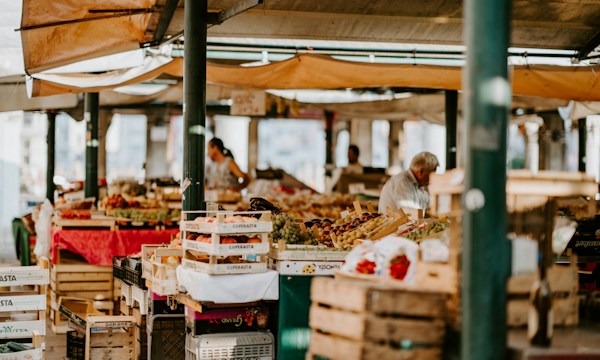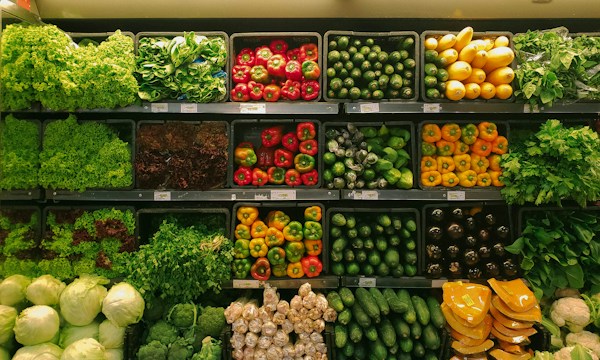
Seasonality asks us to notice time. It reminds us that food has its own rhythm, and that the most generous ingredients are not always available on demand. They arrive when the light, rain, soil and patience have made them ready.
Choosing seasonally is not a restriction. It is a way to let the year bring variety to the table.
A more vivid table
When we cook with the season, familiar meals keep changing. Spring brings freshness and tender green notes. Summer offers brightness and abundance. Autumn adds depth and warmth. Winter invites slower cooking and ingredients with quiet staying power.
This natural change helps us cook with more curiosity. Instead of repeating the same list of ingredients, we learn to work with what is at its best now.
Better for the whole system
Seasonal purchasing can also reduce the distance between field and table. It gives growers a clearer signal and encourages supply chains that respond to natural cycles. Less energy is needed to force a crop out of its season, and less food is lost trying to make it behave like something it is not.
To eat with the season is to make room for the world outside the kitchen.
Begin with one change
You do not need to redesign every meal. Choose one ingredient each week and ask when it is naturally at its best. Visit a local market, speak with a supplier or simply pay attention to the origin notes on the label.
Over time, seasonality becomes less of a rule and more of an instinct. The reward is food that feels more connected, more varied and more alive.