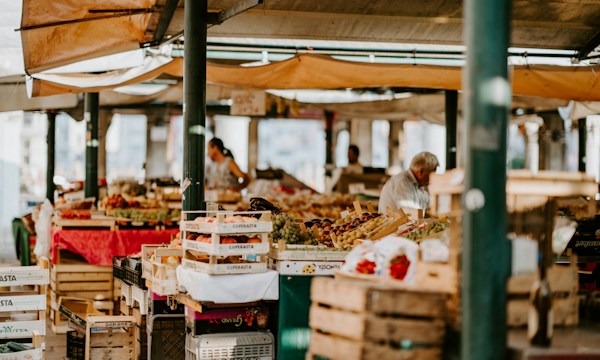
Food waste is often described as a large, distant problem. In practice, it is made up of small moments: the ingredient forgotten at the back of a shelf, the portion prepared without a plan, the product opened for one recipe and never used again.
That is good news, because small moments can change. Waste reduction begins with better attention to what we buy, how we store it and how we use it.
Buy for the rhythm you have
Aspirational shopping can create more waste than a busy week can handle. Buy for the people you are feeding and the time you realistically have. A smaller amount of a better ingredient is often more useful than a larger amount that becomes difficult to finish.
Use the whole story
Vegetable stems can become stock. Stale bread can become crumbs. A dressing can bring new life to grains, roasted vegetables or a simple salad. Cooking with the whole ingredient is not only economical; it often brings textures and flavours that would otherwise be missed.
Waste reduction is not about doing everything perfectly. It is about making the next useful choice.
Make the system visible
Keep food where you can see it. Label what has been opened. Plan one flexible meal for the end of the week. In a professional kitchen, measure yield and review prep. In a home kitchen, notice what keeps being left behind.
Attention turns information into action. Over time, it helps us buy less, enjoy more and respect the work behind every ingredient.