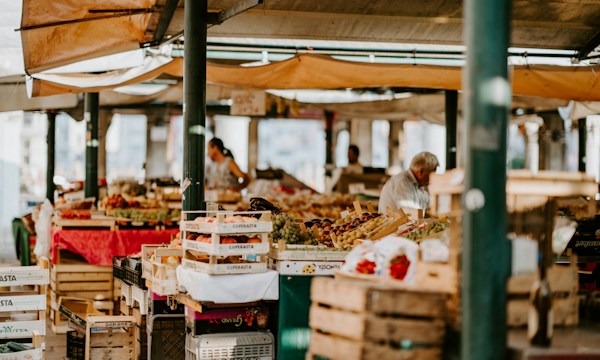
Before a crop becomes an ingredient, it is part of a living system. Soil holds water, stores carbon, supports roots and gives plants the conditions they need to express their full character. Healthy soil is not simply a production surface. It is the first partner in every harvest.
Organic farming begins by respecting that relationship. Instead of treating the ground as something to exhaust and replace, it works with natural cycles and protects the life beneath the surface.
More than what we can see
A handful of healthy soil contains minerals, organic matter, air, water and an extraordinary community of microorganisms. Together, they help roots access nutrients and support the resilience of a crop through changing conditions.
Cover crops, compost, crop rotation and careful water management are simple practices with long-term impact. They create a foundation that can support future harvests instead of asking the land to give everything at once.
The taste of a place
Soil health also has a sensory language. The mineral character of a landscape, the balance of a season and the pace of growth can all influence the final ingredient. This is one reason food grown with care often feels more distinct: it has been allowed to keep a sense of place.
Protecting the ground is an investment in every harvest that follows.
Growing with the future in mind
Our responsibility is to support systems that remain generous over time. That means asking not only whether an ingredient is available today, but whether the land, the farmer and the surrounding ecosystem can continue to thrive tomorrow.
Every thoughtful purchase helps make that future more visible. It tells growers that quality, biodiversity and patience matter.