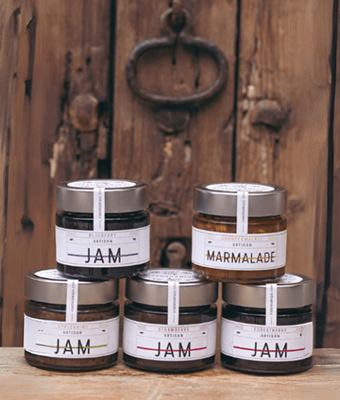
Labels are meant to help us make choices, but they can sometimes feel crowded with language. Organic, certified, natural, responsibly sourced: each phrase carries a different meaning. Understanding the basics makes the shelf feel quieter and the decision more confident.
The first step is to look for information that can be checked. A clear origin, a certification mark and a concise ingredient list tell you more than a decorative claim.
Start with the ingredient list
Ingredients are listed by weight, so the first few entries give you a useful picture of the product. Look for language you recognise and a list that reflects what the product promises. Fewer ingredients do not always mean better, but clarity is a good place to begin.
Understand certification
Organic certification is a regulated process in many markets. The exact standards vary by region, but certification generally relates to how crops are grown, how animals are raised and how products are handled through the chain.
When you see a certification mark, take a moment to identify the organisation behind it. Trust grows when claims are supported by standards rather than left to interpretation.
Good information should make a choice easier, not make you feel tested.
Ask the next useful question
If the label still leaves you uncertain, look for the producer’s website or ask the retailer. Responsible brands should be willing to explain their sourcing, process and priorities in plain language.
There is no need to know everything at once. Read one label with care, then carry that knowledge to the next choice.